
Formerly TroutSupport.com - It's been a Long time since we were just TROUT. ReefRecon, the GrassWalker, ClubTexas ALL HERE!
Are You Improving as an Angler?
Find out if You’ve Leveled Up since 6 Months Ago!
Learn how to expertly locate speckled trout, redfish, Flounder, Snook, and more, AND make them bite like a tournament pro.
Who It's For:
Inshore Anglers that have ever watched a YouTube or Other Education Site Video and were left feeling - '... There Has to be More'. Get More Details, Better Understanding, True Reasons fish Move, and Better Timing. Have FUN and Be the Badass Angler you know you Can Be!
Our Products
From advanced fishing tools to exclusive coaching, every product is designed to help you find fish faster, catch more consistently, and fish with confidence.
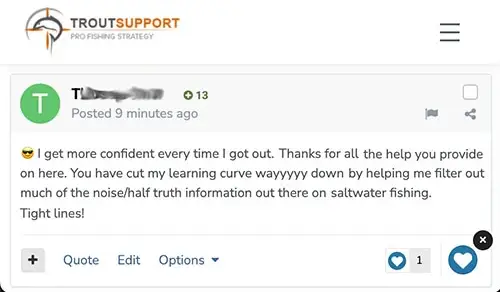
“ Thanks for the information in the DVD. I caught my personal best( 28" 8.5 lbs ) by locating a pot hole on low tide in a small bay along the river shore. I was fishing a Z-Man scented paddlerz on a 1/8 oz jig head. ”
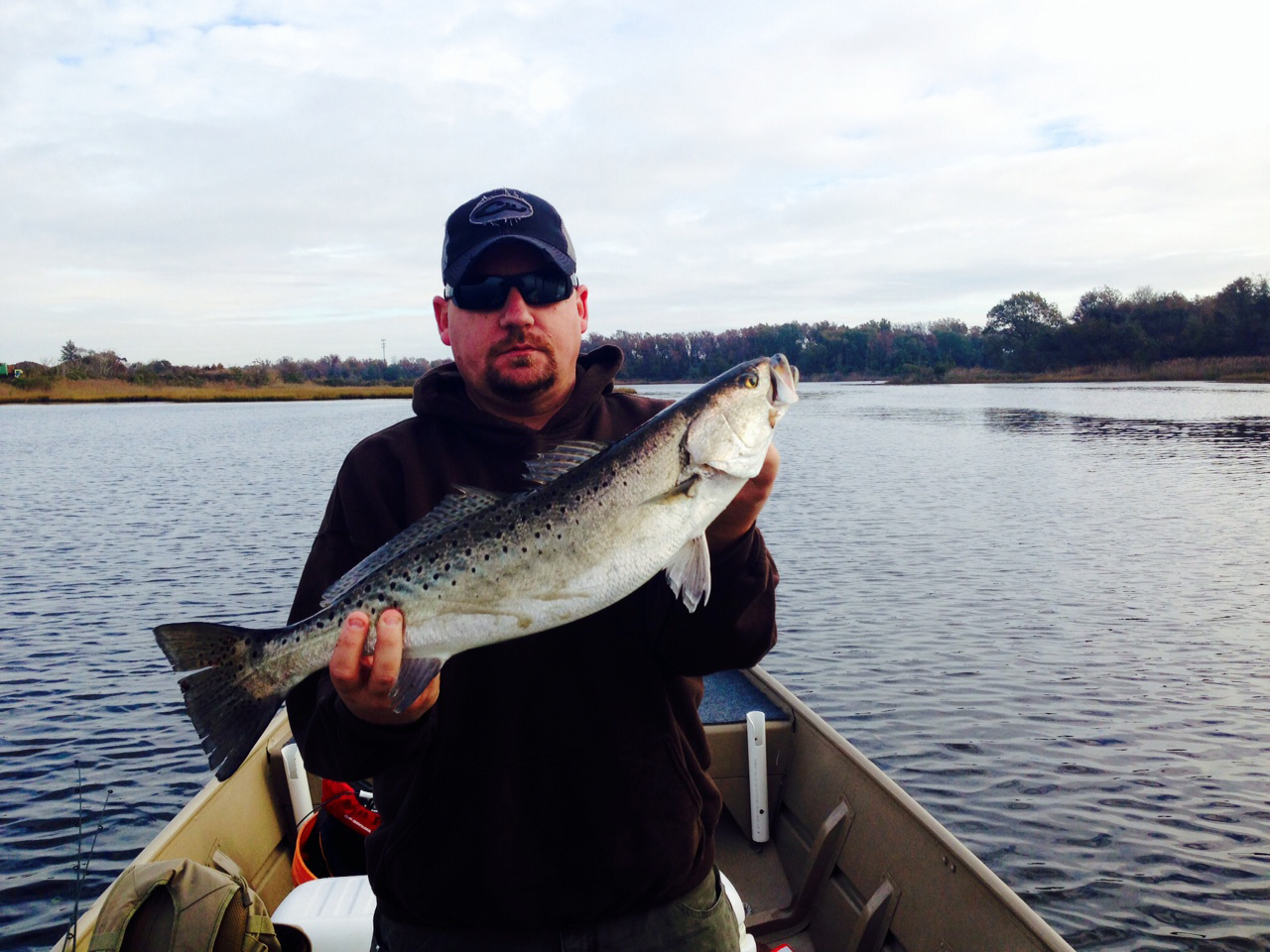
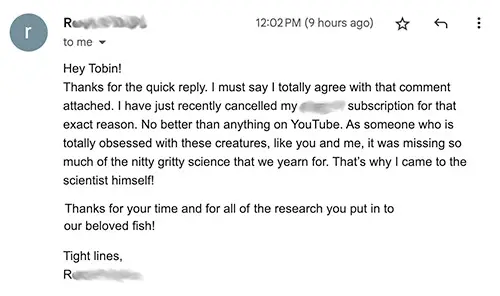
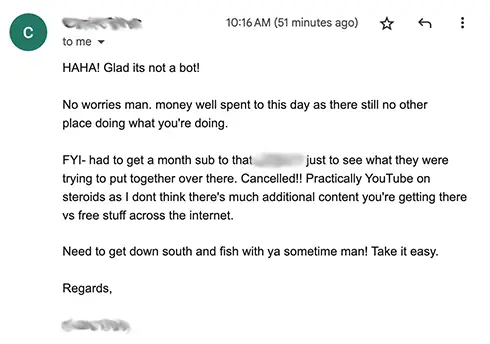
“ Much like any fisherman who discovers something that WORKS and gives you a clear advantage, I have mixed feelings about sharing it with others... but I've learned the great majority of what I know from others, many of whom are here on this site, and for that reason I don't have a problem sharing something which has helped me immensely. First let me say that I'm in no way affiliated with the product I'm endorsing, I receive no benefit outside of the gratification of helping others. If you want to catch bigger gator trout, and we're talking about the biggest trout in any bay system, you need to check this out. I'm extremely skeptical of these types of learning tools, but Tobin (the creator) really went out of his way to create something extremely thorough & in-depth that will push a beginner years ahead of the learning curve and an experienced angler over the top. It tells you where the fish will be, how to find them, what to use and in what conditions. I can't exaggerate how thorough this video is, I've literally watched it 3-4 times and pickup something new each time. I can only speak for the 'Big trout' video, as that's the one I bought. Goodluck out there, if you want to catch some big gators and wonder how the pros do it consistently, this is worth the $$$ all day long. Last but not least, 100% money back guarantee if you don't learn anything. ”
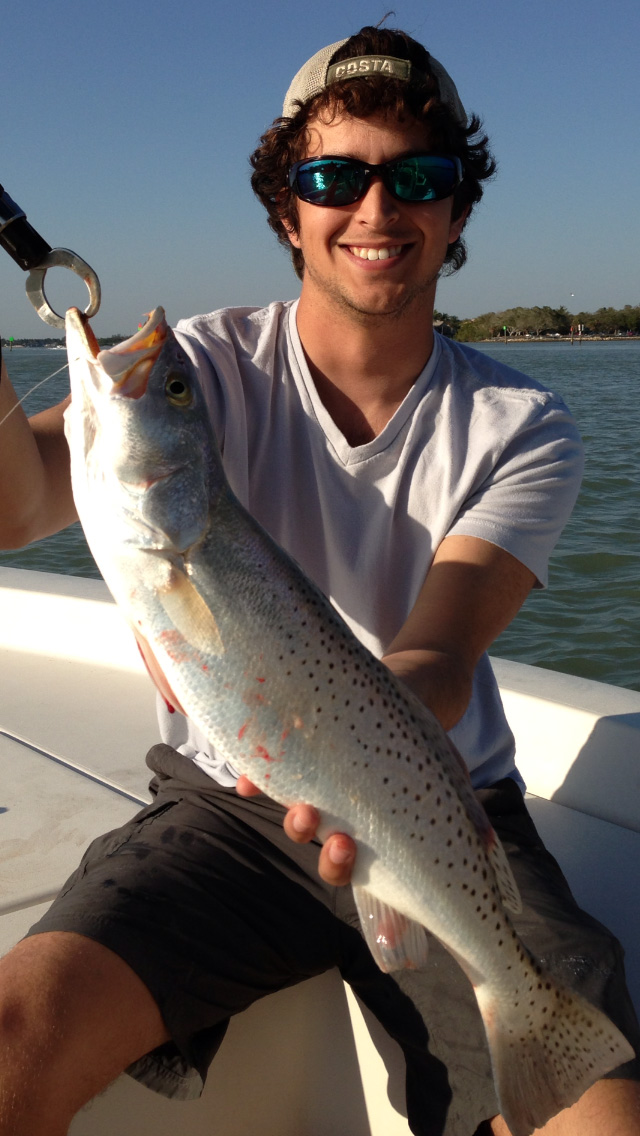
“ Yeah, by now all you you know that Tobin makes a great informative DVD, but what you may not have thought about is how much of the info shared works in other places besides Tx. I have been using the info from the Trophy Trout video to locate trout here in Panama city Florida, which is not really a place known for trophy trout. Well I have found the info incredibly helpful in finding bigger trout and understanding what I should be throwing. Heck, if even applies to fly fishing. Though a 25" trout isn't really a trophy in most places, it is a good un here. On a topwater fly to top it off!!!! Thanks Tobin for putting this stuff together. ”
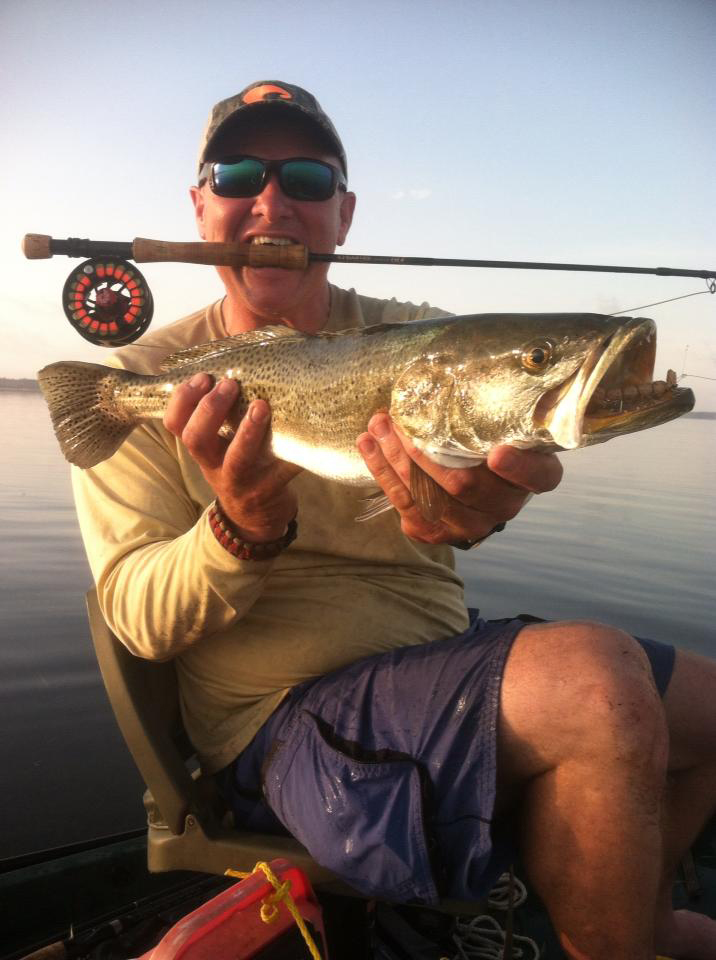
“ I ordered your Finding Trophy Trout video a few months back and loved it so i had to order this one too (Limits). I learned a lot about the habits and nature of big specks by first watching the video and using it as a foundation to compare to the tactics i have been taught in the past about speckled trout. It has also given me more confidence on my decisions and on what and where to fish, and in return has made me a more persistent and patient fisherman who catches more big trout. After watching your trophy trout video i have drastically increased my numbers of larger trout i catch. I have also caught a new personal best spotted sea trout and with some of your tips helped 3 of my other fishing buddies catch theirs while fishing with me. Pics of my first trip after i watched your trophy trout video. ”
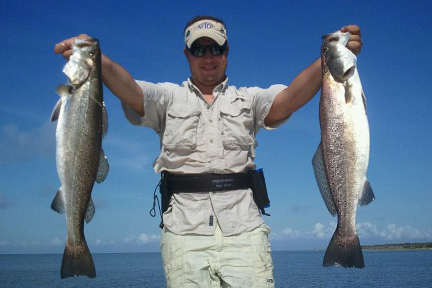
“ I bought the 3 pack DVD's less than a month ago and every week seems to get better and better. We are catching consistenly more than ever. The DVD's have help me understand how and why the fish are where they are. Using this knowledge has allowed me to make our trips more memobrable. The days of hoping we catch something are gone. Today my son caught his personal best trout. It was 27 1/2 inches. ”
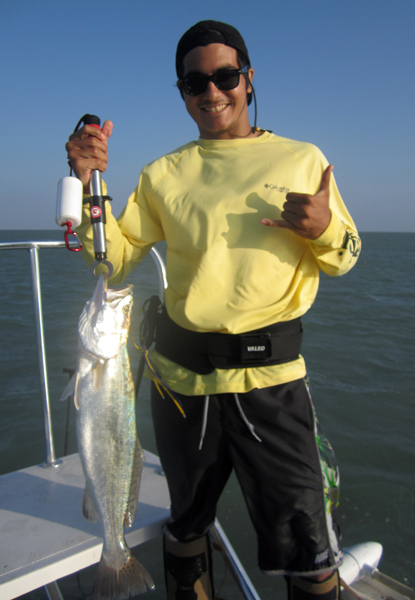
“ Just wanted to let you know, Thursday I caught my personal best speckled trout. 25.5" no boga to get the weight, but she was heavy. Caught her just like the DVD instructed along and several other solid speckled trout fishing the pot holes with a plum/chart. trout killer 2..... Thanks again for the DVD's can't wait for the red fish flick. ”
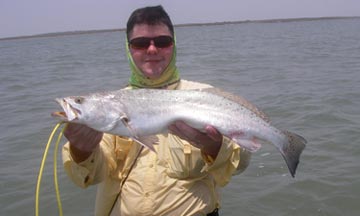
“ Bought the DVD and first trip out popped my personal best so far. I used all the info from the video and bam she hit. Personal best so far. Good luck to all and have fun, this DVD is worth every pennie. ”
“ The Big Trout DVD definitely helped me think in new ways about the areas I fish. Was blessed with this 29' beauty on Memorial Day in 15' of water, at noon'. ”
What You Get When You Join Club Texas
Learn proven techniques, gain insider knowledge, and turn every trip into a winning fishing experience.
1. Results and Effectiveness
Results and Effectiveness! -The Only Texas A&M Ecologist Teaching Inshore fishing
2. Save Money, Skip the Hype
We will save you money by helping you not fall prey and buying stuff you don’t need - The Fish DON’T Care.

3. Supportive Community
A Community that helps each other Implementing Precise Techniques VS Others giving Generalizations

4. Clarity Over Confusion
Keep a clear focus - don’t get overwhelmed and confused by having too many varying opinions

5. Precision Timing Advantage
Timing - Get Pattern Changes as much as a Month Ahead of other Anglers
Step Inside the Club
Texas Advantage
Hear how Club Texas members turn skills into catches.
How we're different?
You’re capable of being a great angler, you just need Tobin’s proven guidance from years of on the water success, as well as years of training anglers to dulicate those methods.
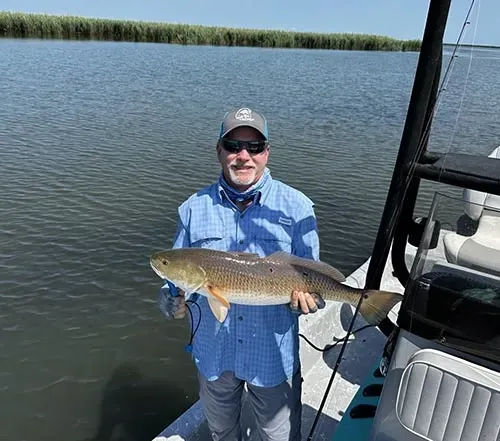
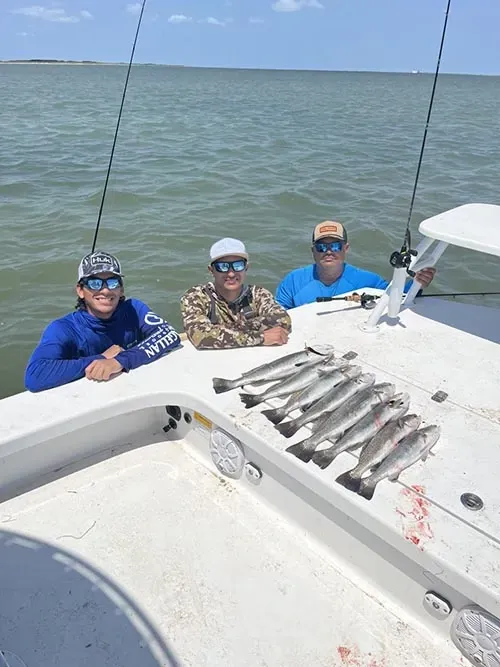
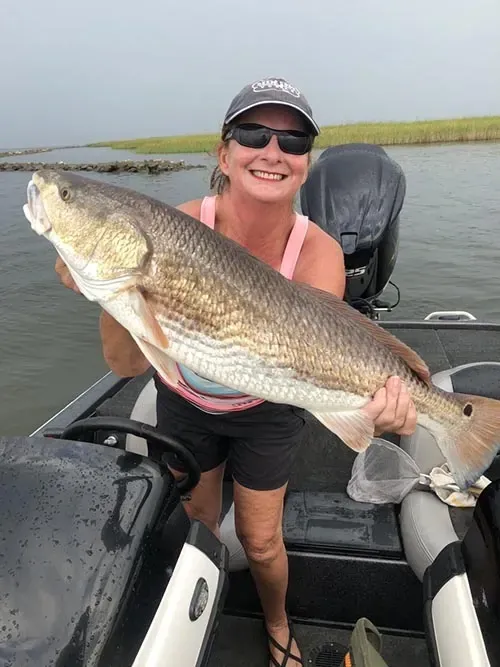
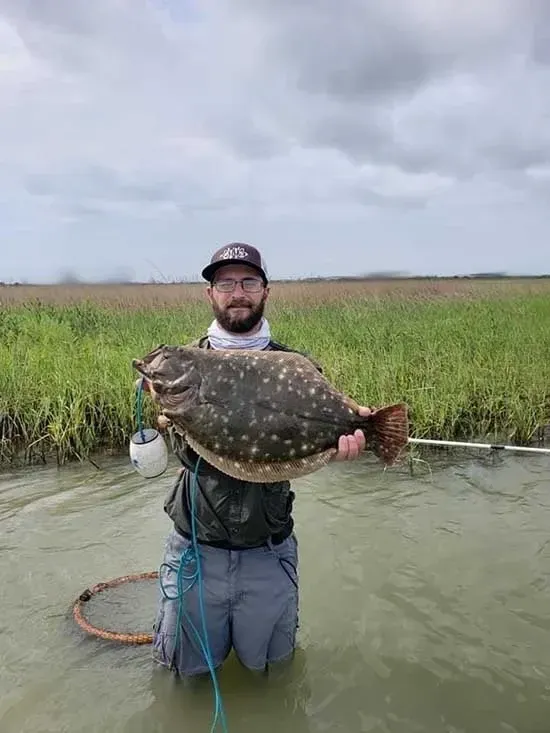
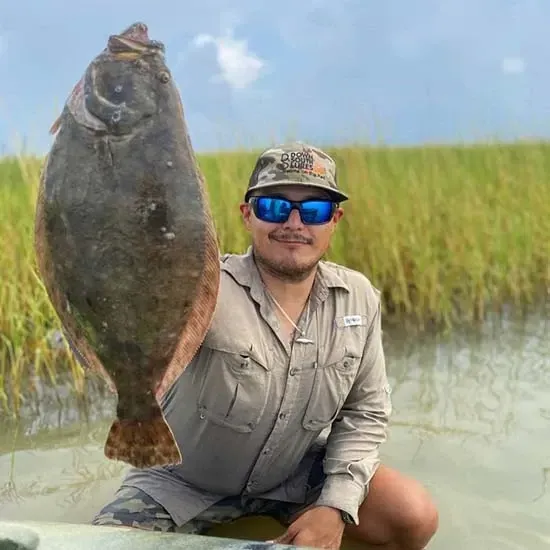
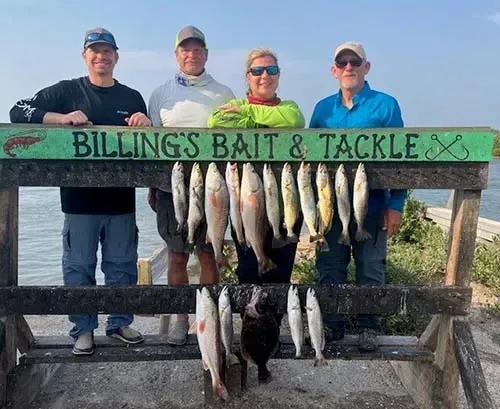
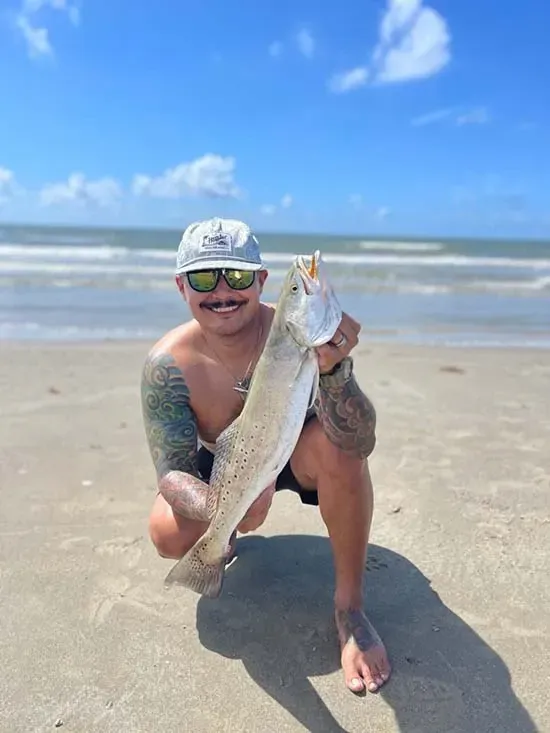
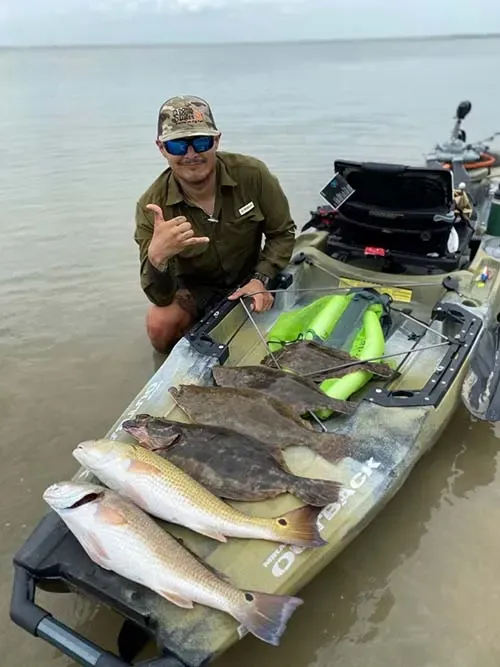
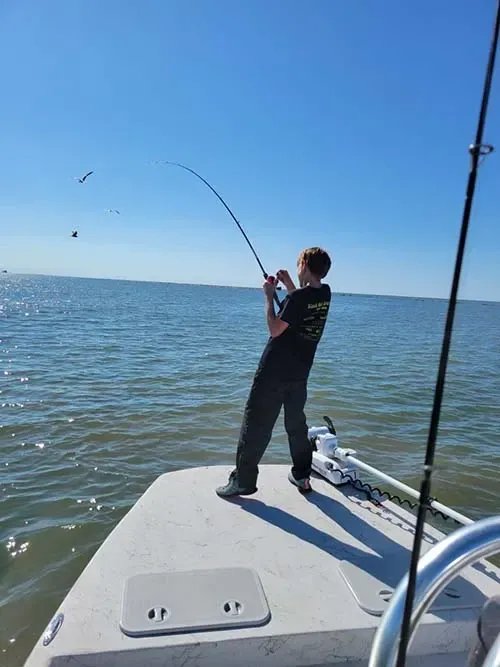
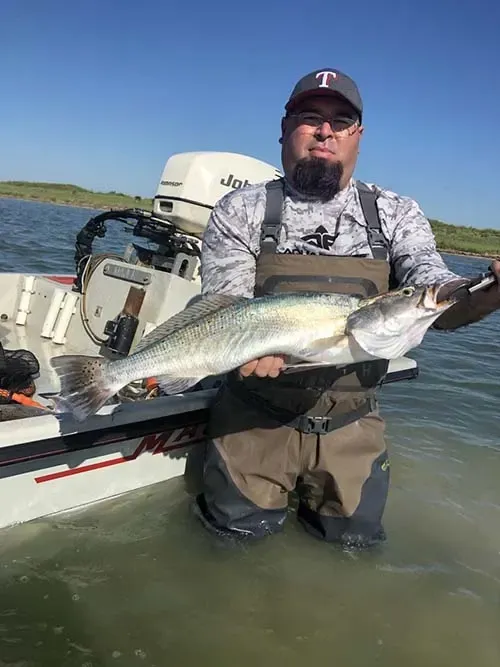
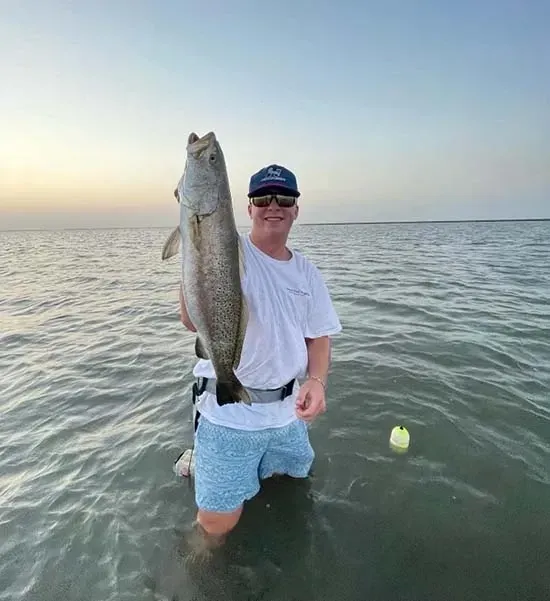
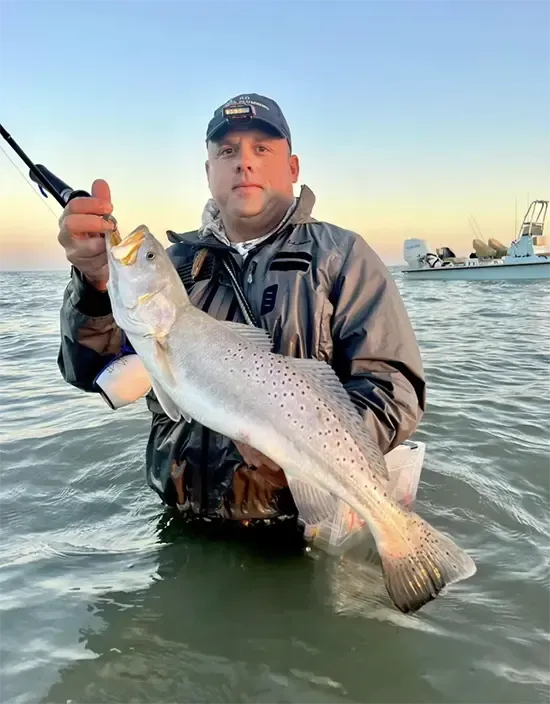
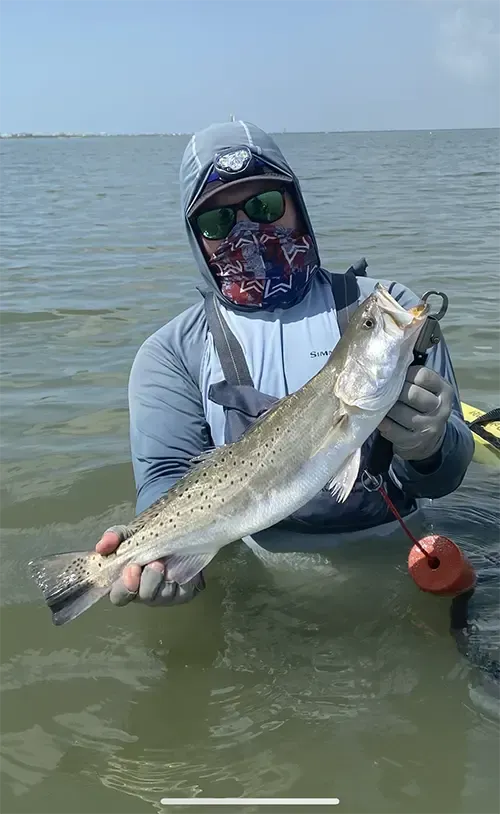
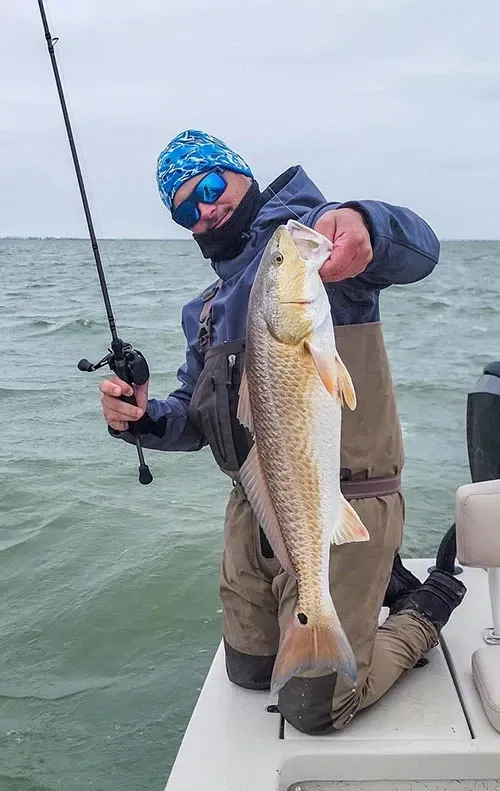
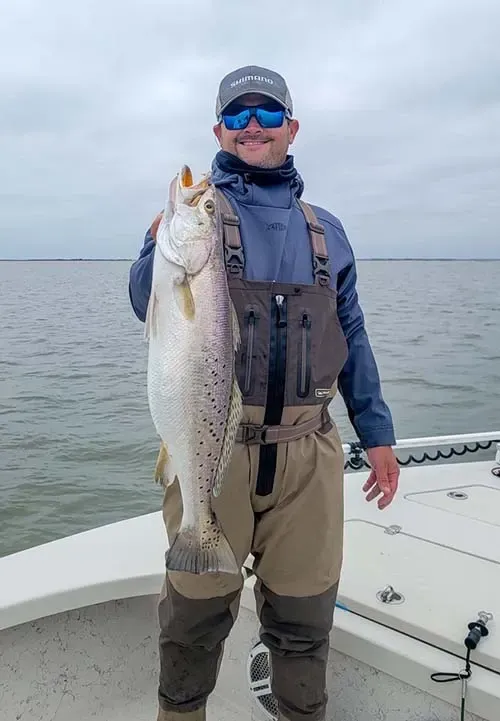
From Frustration to Fishing Success
Most anglers spend years chasing fish with nothing but trial and error to guide them — burning time, fuel, and energy on trips that don’t pay off. Club Texas is different. Led by Tobin, a lifelong angler with a Texas A&M Ecology degree, we combine detailed forage timing with proven on-the-water strategies to help you catch more fish, more often. Our members don’t just get tips — they get a complete system, backed by real data, that teaches them why fish are where they are, how to adapt to changing conditions, and adjust on the water, and how to repeat success on their own. The proof is in the results of the anglers in the community: Thousands of new Personal Best and Achievements, from weekend warriors to seasoned pros, landing their personal best catches and doing it consistently. You don’t have to keep guessing — with Tobin’s guidance, you’ll fish with confidence and results you can see. Multiple anglers started as newbies and have become guides, others have place highly in huge tournaments; and it's geared for you to reach your goals if all you want to do is get your friends or family on fish and have fun.
Our goal isn’t to tease you along for life — it’s to really teach you how to duplicate the results you get, year after year, without some gimmick or crutch.
Be the First to Know — Get Club Texas Fishing Intel
Join our free insider list for early fishing tips, seasonal pattern alerts, and proven techniques from Texas’ top inshore experts.
Who we are?
SaltWaterFishing.Pro started as Precision Fishing Resources even before we were TroutSupport.com. We make precise, fully developed, intensive educational training programs, innovative patented lures that solve real problems, and GPS tools to help you catch more fish, more often, and learn to understand the forage and how the fish move beyond ANY other program. We make training in ways you can duplicate the results, and we treat you the way you would treat you. Our content and products are feature rich, specifically designed to support YOU, and focus on the parameters that make a difference, day in and day out, TO YOU.
Since 2009, over 15,000 customers have put themselves forward, investing in themselves, to purchase our videos, join our community, and other products.. .so you are NOT the first one here 'checking' them out. These are proven time tested techniques professionally delivered. Our videos contain 18 top teaching guides, tournament pro’s, and...
Our latest Fishing tips and videos

Spring Transition- Why is it Hard
What Triggers the Spring Transition in Inshore Saltwater Fishing?
Several variables drive fish movement during spring, and many of them conflict with one another, creating constantly changing conditions. But the single biggest driver in saltwater inshore fishing is always the same:
FOOD
During late winter and early spring, forage availability changes rapidly and dramatically, and it comes from multiple directions.
Winter forage still exists, but it requires higher energy output for trout and redfish to feed on. As water temperatures begin to rise, fish shift toward smaller, more energy-efficient forage—food that allows them to eat more while expending less effort.
Put simply:
If you could leave a hard job and move to Easy Street—where there is a free cafeteria and food is abundant and the pay is better—wouldn’t you?
That’s exactly what’s happening in the inshore saltwater world.
Water Temperature, Oxygen, and Why Fish Suddenly “Disappear”
As spring approaches, the water column begins to warm, even while air temperatures swing wildly. Similar to a truck cab warming in the sun on a cool day, water absorbs and holds heat due to changing sun angles and length of day.
However, be careful with oversimplified explanations.
Water over a flat is not “like a piece of glass trapping heat as one distill club calls it. The specific heat of water is not the same as glass insulating a void of air. That’s stupid ‘science’, but it sounds great to those that don’t know, and there lies the problem you’re in. Non Scientist can talk all they want about science and it SOUNDS GREAT.. but it’s usually wrong. Back to fishing…
At the same time warming begins:
Cold fronts still pass
Tides fluctuate
Inshore water temperatures rise and fall
Salinity changes with late winter and early spring rainfall
It’s no wonder fish seem hard to locate.
Why Spring Is When Inshore Fish Spread Out
Spring water conditions are ideal for fish to spread out across the system.
During late winter and early spring:
Water is cool enough to maintain high oxygen levels
Yet warm enough that fish no longer require deep refuge
Trout and redfish can roam freely in shallow and mid-depth water
This allows them to search aggressively for food where ever it is.
⚠️ Important note on temperature:
Fish respond to temperature very differently than humans. Short-term air temperature swings matter far less than water elevation stability, forage presence, and oxygen availability.
Biomass: The Real Deal in Spring Inshore Fishing
During the spring transition, fish suddenly face two major forage options.
Biomass simply means that: A million tiny things still equal a LOT of food. And young food is stupid food. Do you want to try to eat mature smart food that watches you like a hawk or drive through the drive through to eat the young dump food. “Weeee, life is great I’m a tiny baby newborn shad, what’s they grey thing? Slurp. Mommy, why is it dark in here.”
Tiny shrimp, shad, and bay anchovies (glass minnows) collectively form massive forage concentrations. You don’t need to be a scientist—or listen to one—to understand this.
Call it biomass if you want.
But at the end of the day, it’s just easy food.
What matters most is:
Where it’s densest
What stage it’s in
When specific hatches occur
That timing determines where the fish will be.
“Find the Bait, Find the Fish”—But It’s Not That Simple
Yes, the old saying holds true in saltwater inshore fishing:
Find the bait, find the fish.
But here’s the catch:
You must fish the right structure
Under the right conditions
At the right stage of tide and weather
And you must be on one of the hatches that are happening.
AND Not all weather conditions produce visible “sign.”
A Word About Jumping Mullet
Jumping mullet are not a reliable.
Mullet jump:
When fish are present
When fish are NOT present
All. The. Time. That is what they do, just for fun, and when they have to.
If your entire strategy is based on jumping mullet, you’re setting yourself up for failure.
Beware of “Distilled” Inshore Fishing Information
One of the biggest problems in modern saltwater fishing education is information distillation.
When people repackage someone else’s work:
Details get lost
Nuance disappears
The message sounds good—but doesn’t fish well
Be cautious of anyone who:
“Distills” information without attribution
They have an explanation of the Why, but it’s off.
Or produces vague, generic advice (especially AI-generated content)
Information is power—unless it’s wrong.
And you already know that.
Learn Real Inshore Fishing Details
Captain Tobin Strickland created SaltWaterFishing.pro to teach anglers the details they’ve been missing in saltwater inshore fishing—especially during difficult periods like the spring transition. We are the original fishing education program for inshore saltwater fishing helping anglers understand the why.
Don’t get scammed by hype.
Learn how to recognize real patterns, real bait movement, and real fish behavior.
Because when you understand the details…
You stop guessing—and start catching, and yeah, sometimes you have to work at it. There are countless day’s there are not where they were yesterday and you have to go find them, better have a plan and know what to look for on those days, .... and that’s most days.
Make sure to download our Free SaltWaterFishing.pro app, where you can get involved to ask questions weekly and listen to Q&A that isn’t designed to hook you.

Copyright 2026. Precision Fishing Resources LLC.
All Rights Reserved.


Products
Company
Support/Info
Sign up for fishing tips and updates.