
Formerly TroutSupport.com - It's been a Long time since we were just TROUT. ReefRecon, the GrassWalker, ClubTexas ALL HERE!
Are You Improving as an Angler?
Find out if You’ve Leveled Up since 6 Months Ago!
Learn how to expertly locate speckled trout, redfish, Flounder, Snook, and more, AND make them bite like a tournament pro.
Who It's For:
Inshore Anglers that have ever watched a YouTube or Other Education Site Video and were left feeling - '... There Has to be More'. Get More Details, Better Understanding, True Reasons fish Move, and Better Timing. Have FUN and Be the Badass Angler you know you Can Be!
Our Products
From advanced fishing tools to exclusive coaching, every product is designed to help you find fish faster, catch more consistently, and fish with confidence.
“ Thanks for the information in the DVD. I caught my personal best( 28" 8.5 lbs ) by locating a pot hole on low tide in a small bay along the river shore. I was fishing a Z-Man scented paddlerz on a 1/8 oz jig head. ”
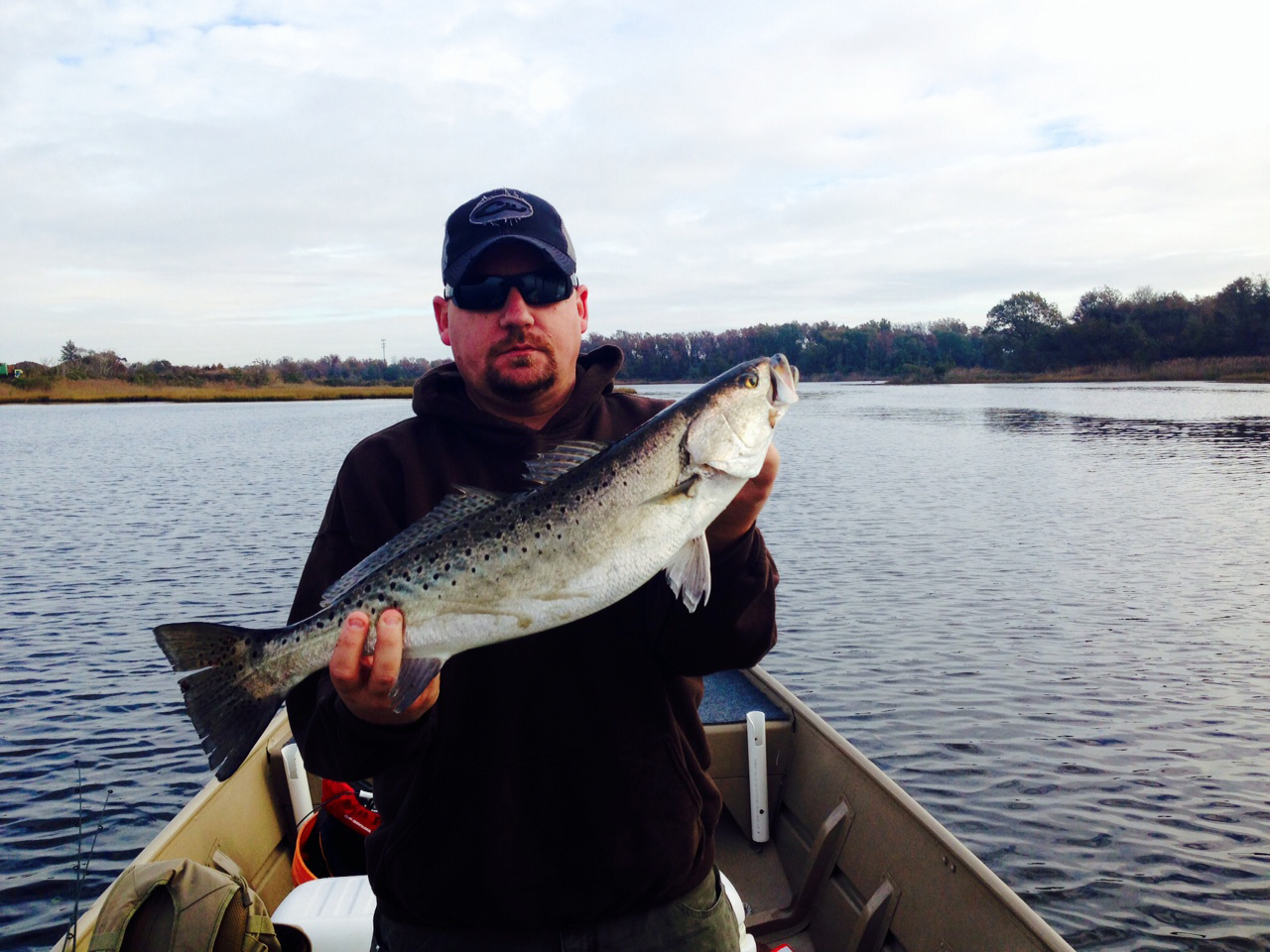
“ Much like any fisherman who discovers something that WORKS and gives you a clear advantage, I have mixed feelings about sharing it with others... but I've learned the great majority of what I know from others, many of whom are here on this site, and for that reason I don't have a problem sharing something which has helped me immensely. First let me say that I'm in no way affiliated with the product I'm endorsing, I receive no benefit outside of the gratification of helping others. If you want to catch bigger gator trout, and we're talking about the biggest trout in any bay system, you need to check this out. I'm extremely skeptical of these types of learning tools, but Tobin (the creator) really went out of his way to create something extremely thorough & in-depth that will push a beginner years ahead of the learning curve and an experienced angler over the top. It tells you where the fish will be, how to find them, what to use and in what conditions. I can't exaggerate how thorough this video is, I've literally watched it 3-4 times and pickup something new each time. I can only speak for the 'Big trout' video, as that's the one I bought. Goodluck out there, if you want to catch some big gators and wonder how the pros do it consistently, this is worth the $$$ all day long. Last but not least, 100% money back guarantee if you don't learn anything. ”
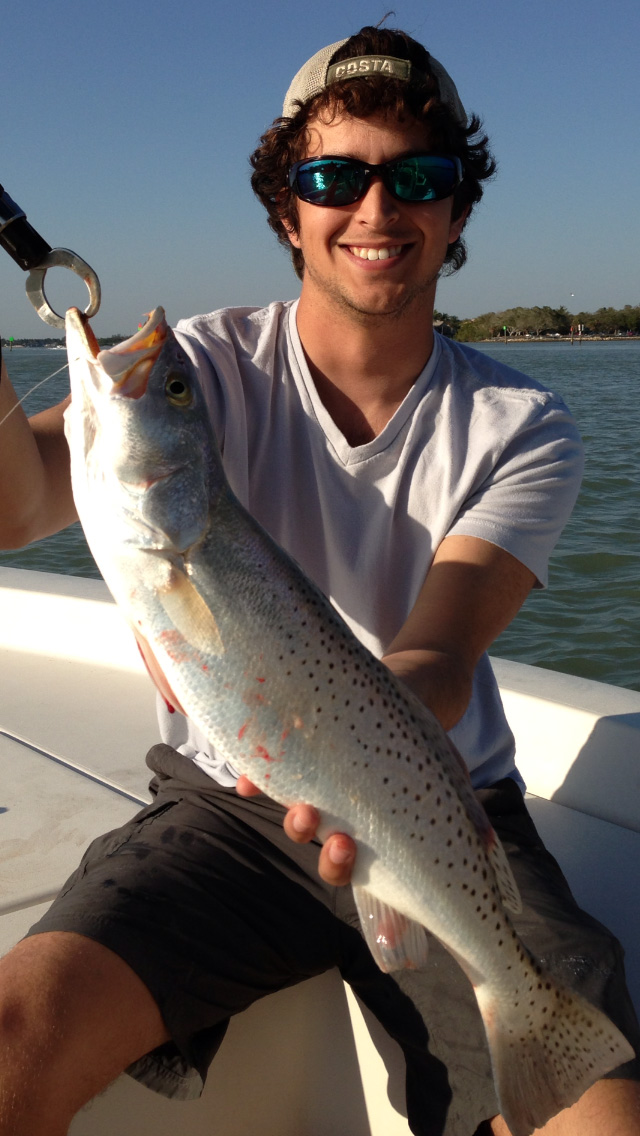
“ Yeah, by now all you you know that Tobin makes a great informative DVD, but what you may not have thought about is how much of the info shared works in other places besides Tx. I have been using the info from the Trophy Trout video to locate trout here in Panama city Florida, which is not really a place known for trophy trout. Well I have found the info incredibly helpful in finding bigger trout and understanding what I should be throwing. Heck, if even applies to fly fishing. Though a 25" trout isn't really a trophy in most places, it is a good un here. On a topwater fly to top it off!!!! Thanks Tobin for putting this stuff together. ”
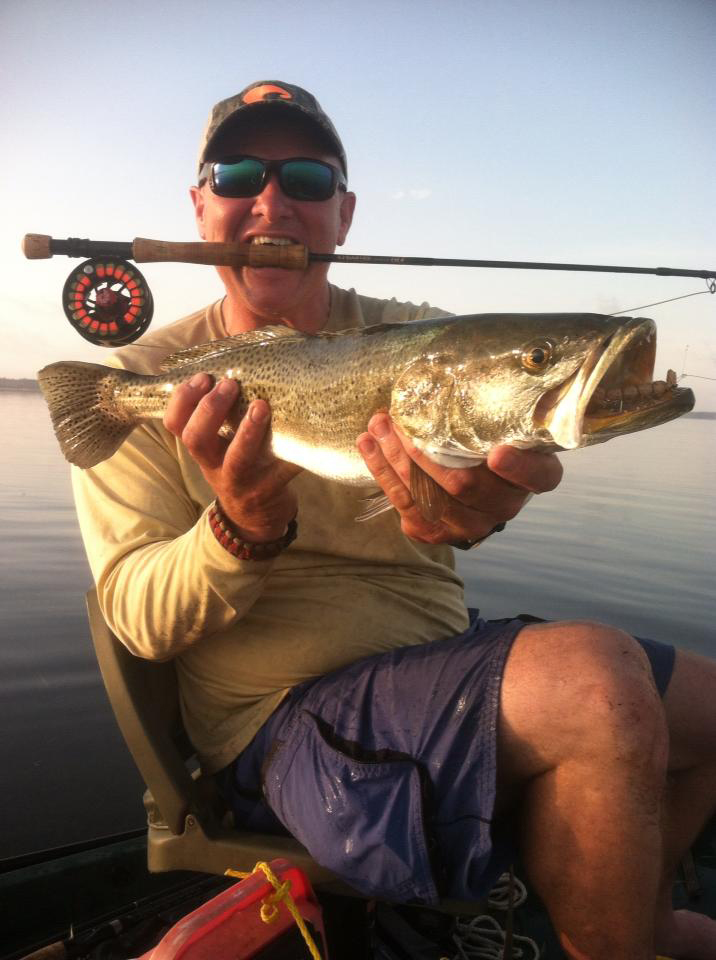
“ I ordered your Finding Trophy Trout video a few months back and loved it so i had to order this one too (Limits). I learned a lot about the habits and nature of big specks by first watching the video and using it as a foundation to compare to the tactics i have been taught in the past about speckled trout. It has also given me more confidence on my decisions and on what and where to fish, and in return has made me a more persistent and patient fisherman who catches more big trout. After watching your trophy trout video i have drastically increased my numbers of larger trout i catch. I have also caught a new personal best spotted sea trout and with some of your tips helped 3 of my other fishing buddies catch theirs while fishing with me. Pics of my first trip after i watched your trophy trout video. ”
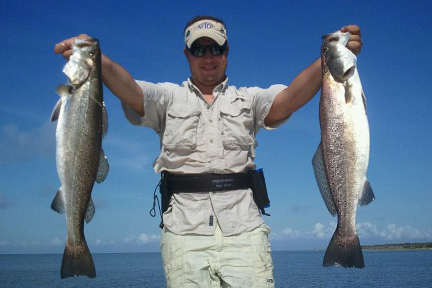
“ I bought the 3 pack DVD's less than a month ago and every week seems to get better and better. We are catching consistenly more than ever. The DVD's have help me understand how and why the fish are where they are. Using this knowledge has allowed me to make our trips more memobrable. The days of hoping we catch something are gone. Today my son caught his personal best trout. It was 27 1/2 inches. ”
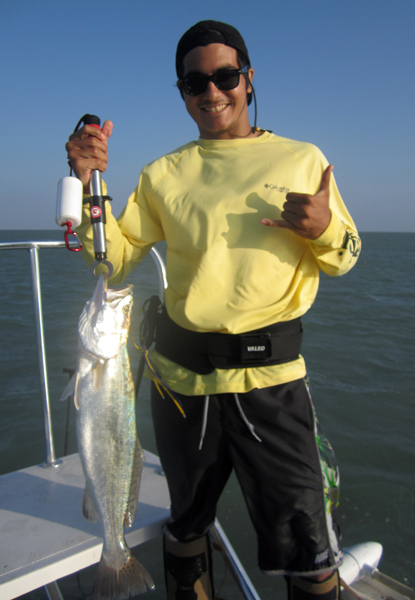
“ Just wanted to let you know, Thursday I caught my personal best speckled trout. 25.5" no boga to get the weight, but she was heavy. Caught her just like the DVD instructed along and several other solid speckled trout fishing the pot holes with a plum/chart. trout killer 2..... Thanks again for the DVD's can't wait for the red fish flick. ”
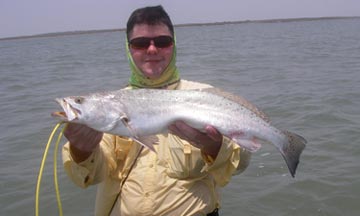
“ Bought the DVD and first trip out popped my personal best so far. I used all the info from the video and bam she hit. Personal best so far. Good luck to all and have fun, this DVD is worth every pennie. ”
“ The Big Trout DVD definitely helped me think in new ways about the areas I fish. Was blessed with this 29' beauty on Memorial Day in 15' of water, at noon'. ”
What You Get When You Join Club Texas
Learn proven techniques, gain insider knowledge, and turn every trip into a winning fishing experience.

1. Results and Effectiveness
Results and Effectiveness! -The Only Texas A&M Ecologist Teaching Inshore fishing

2. Save Money, Skip the Hype
We will save you money by helping you not fall prey and buying stuff you don’t need - The Fish DON’T Care.

3. Supportive Community
A Community that helps each other Implementing Precise Techniques VS Others giving Generalizations

4. Clarity Over Confusion
Keep a clear focus - don’t get overwhelmed and confused by having too many varying opinions

5. Precision Timing Advantage
Timing - Get Pattern Changes as much as a Month Ahead of other Anglers
Step Inside the Club
Texas Advantage
Hear how Club Texas members turn skills into catches.
How we're different?
You’re capable of being a great angler, you just need Tobin’s proven guidance from years of on the water success, as well as years of training anglers to dulicate those methods.
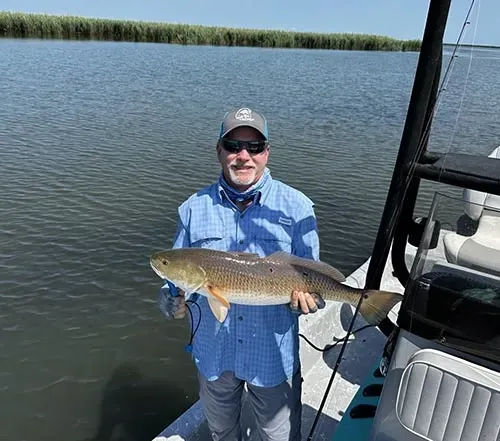
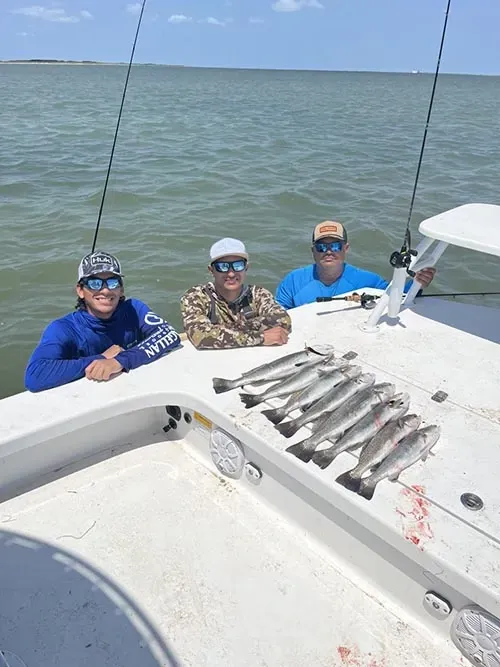
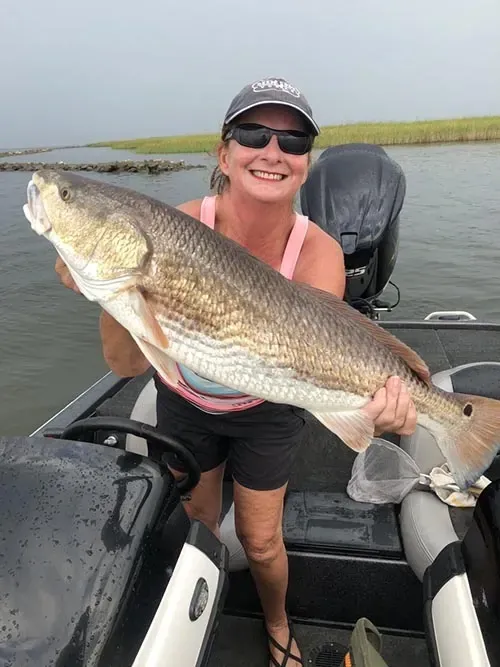
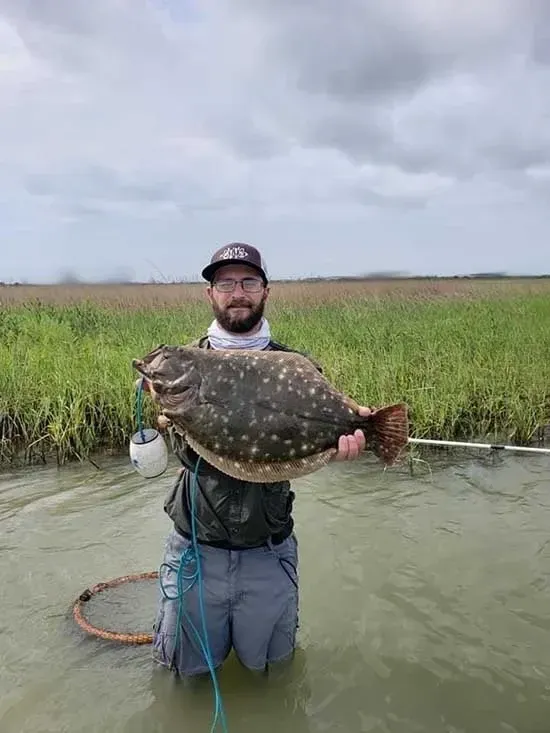
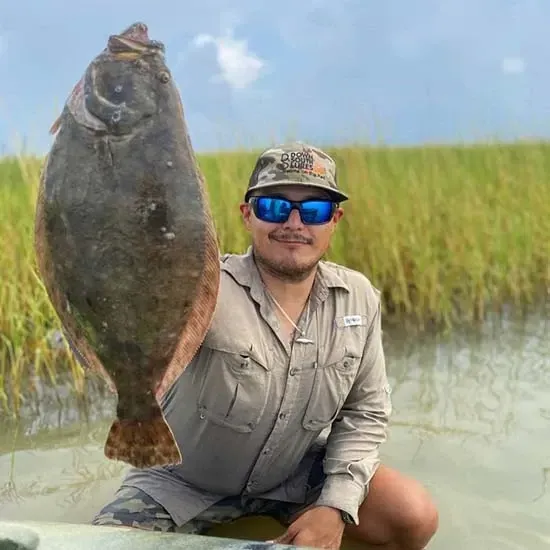
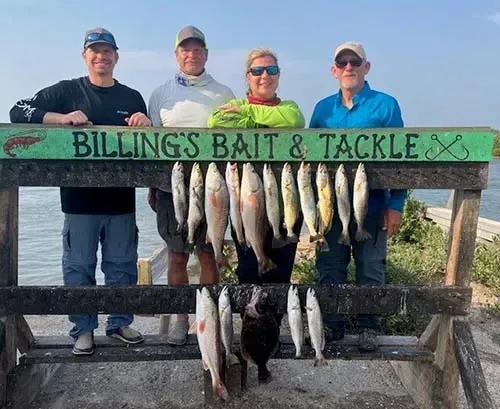
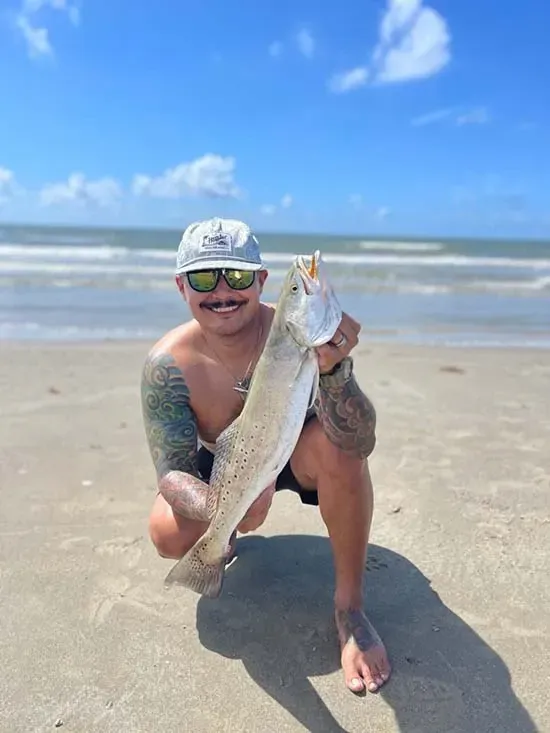
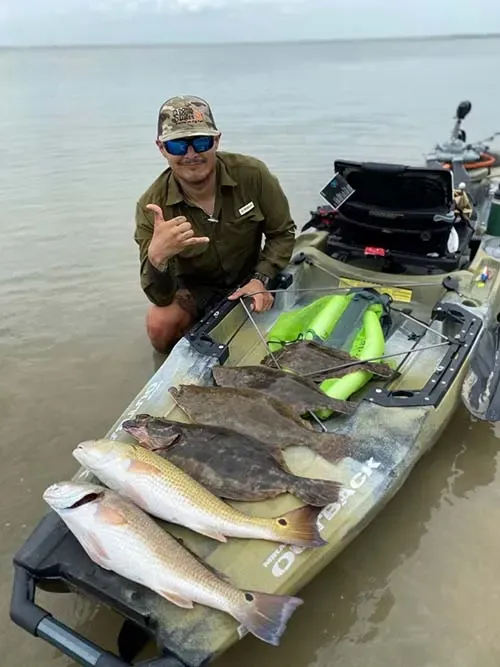
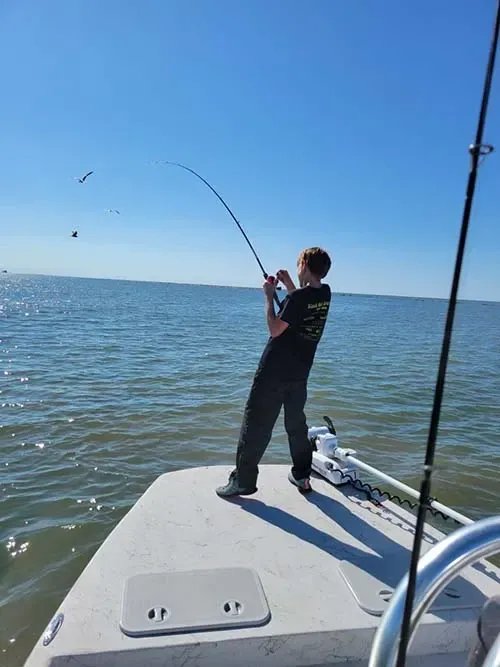
From Frustration to Fishing Success
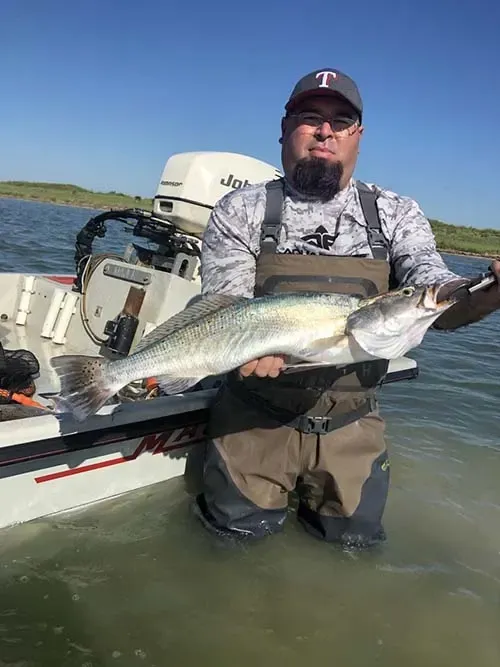
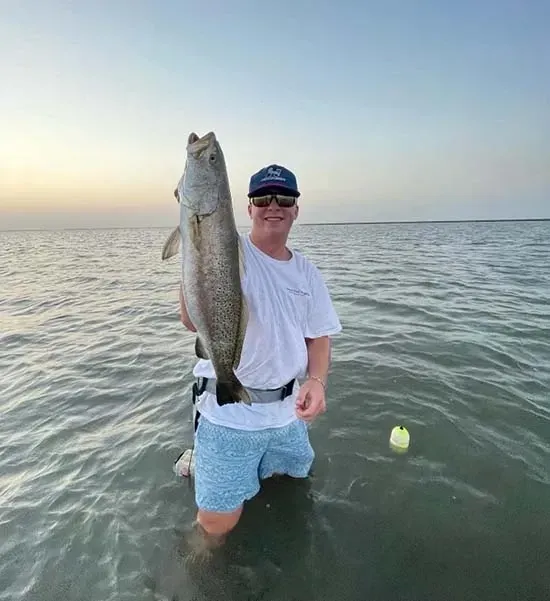
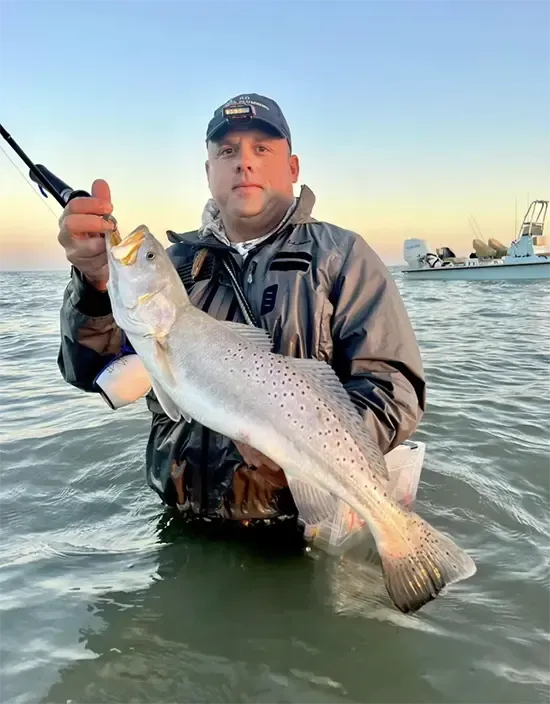
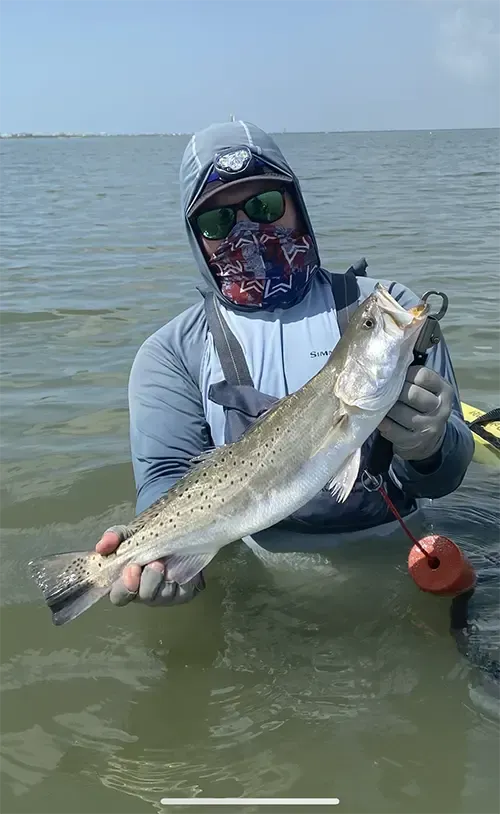
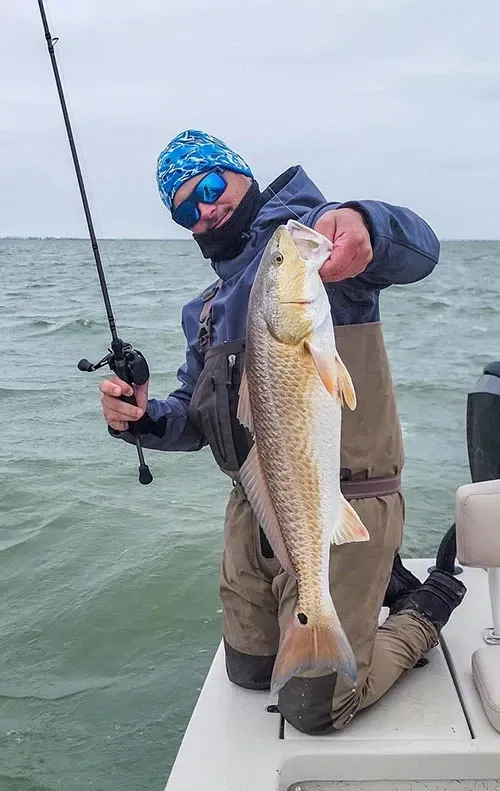
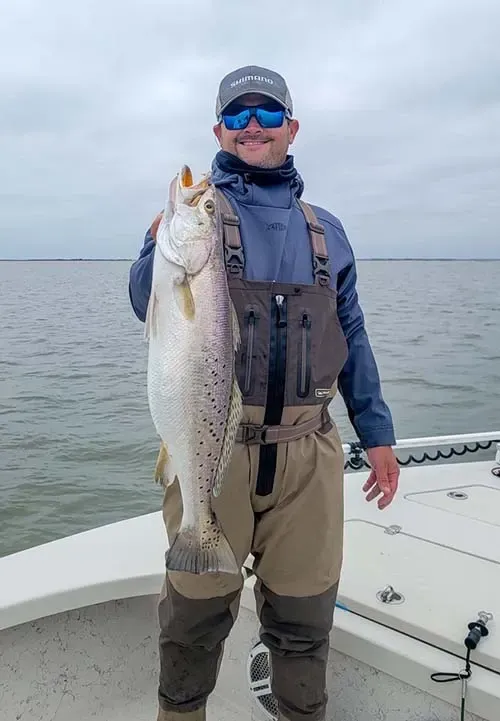
Most anglers spend years chasing fish with nothing but trial and error to guide them — burning time, fuel, and energy on trips that don’t pay off. Club Texas is different. Led by Tobin, a lifelong angler with a Texas A&M Ecology degree, we combine detailed forage timing with proven on-the-water strategies to help you catch more fish, more often. Our members don’t just get tips — they get a complete system, backed by real data, that teaches them why fish are where they are, how to adapt to changing conditions, and adjust on the water, and how to repeat success on their own. The proof is in the results of the anglers in the community: Thousands of new Personal Best and Achievements, from weekend warriors to seasoned pros, landing their personal best catches and doing it consistently. You don’t have to keep guessing — with Tobin’s guidance, you’ll fish with confidence and results you can see. Multiple anglers started as newbies and have become guides, others have place highly in huge tournaments; and it's geared for you to reach your goals if all you want to do is get your friends or family on fish and have fun.
Our goal isn’t to tease you along for life — it’s to really teach you how to duplicate the results you get, year after year, without some gimmick or crutch.
Be the First to Know — Get Club Texas Fishing Intel
Join our free insider list for early fishing tips, seasonal pattern alerts, and proven techniques from Texas’ top inshore experts.
Who we are?
SaltWaterFishing.Pro started as Precision Fishing Resources even before we were TroutSupport.com. We make precise, fully developed, intensive educational training programs, innovative patented lures that solve real problems, and GPS tools to help you catch more fish, more often, and learn to understand the forage and how the fish move beyond ANY other program. We make training in ways you can duplicate the results, and we treat you the way you would treat you. Our content and products are feature rich, specifically designed to support YOU, and focus on the parameters that make a difference, day in and day out, TO YOU.
Since 2009, over 15,000 customers have put themselves forward, investing in themselves, to purchase our videos, join our community, and other products.. .so you are NOT the first one here 'checking' them out. These are proven time tested techniques professionally delivered. Our videos contain 18 top teaching guides, tournament pro’s, and...
Our latest Fishing tips and videos
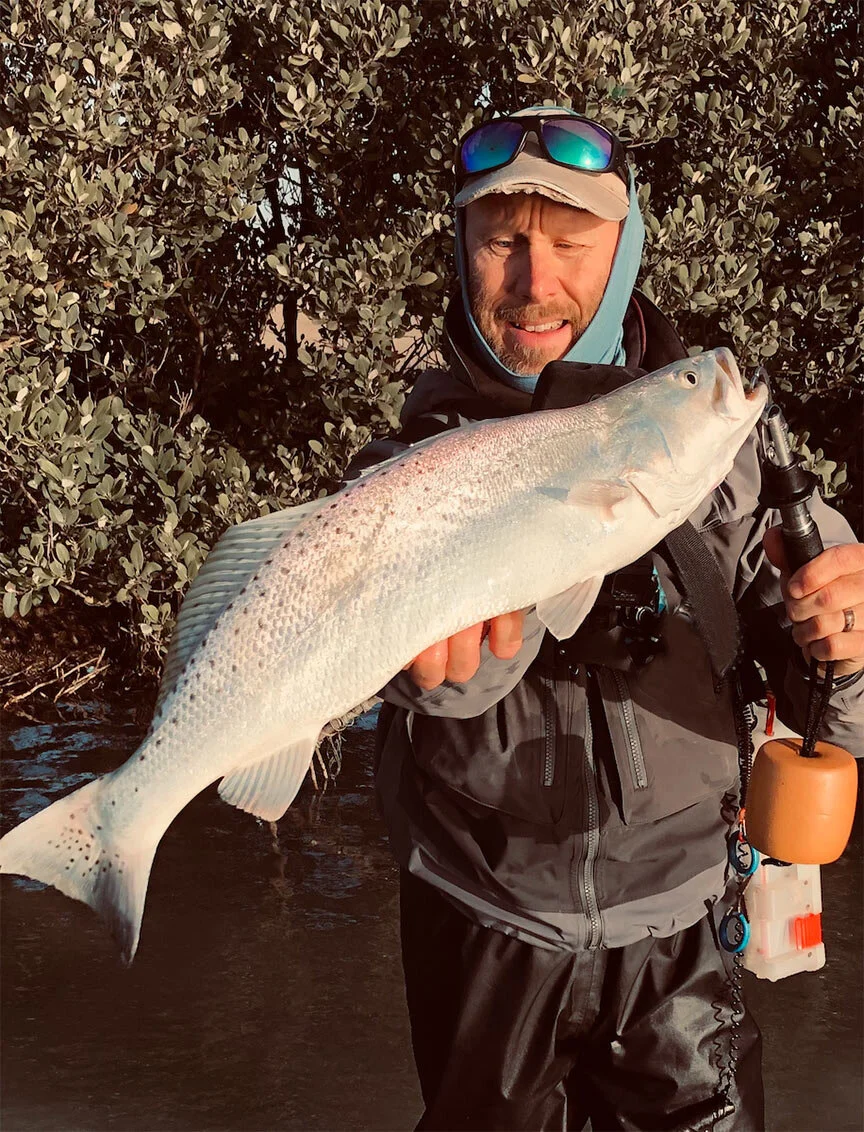
Cold-Weather Trophy Speckled Trout Tactics: How, Where, and Why Big Trout Bite from Fall Through Spring
Cold-Weather Trophy Speckled Trout Fishing: Proven Strategies for Big Trout
There was a sharp chill in the air as we crossed the bay under dark, heavy clouds — the kind that signal changing weather and opportunity. The southeast wind was already pushing hard ahead of a low-pressure system and its approaching cold front, stacking whitecaps across open water.
The Desperado 22 ModV (desperadoboats.com) cut cleanly through the chop, riding almost effortlessly above the waves. Its hybrid catamaran cavity paired with a modified V hull absorbed the pounding energy that typically beats anglers down on days like this. Conditions were tough — exactly the way serious speckled trout fishermen like it in inshore saltwater fishing scenarios.
These fish show up here every year at this location and condition about this time.
Why Big Speckled Trout Stay
One of the most misunderstood aspects of trophy speckled trout behavior is the assumption that all big trout vacate shallow systems during the heat of summer and even the cold of winter. While some larger trout do slide off to deeper or cooler water, many stay put — adapting to the shelter and abundant forage available in productive bay systems.
Shrimp, mullet, shad, needlefish, and ballyhoo cycle through these areas year-round. Big trout simply shift their feeding preferences with the seasons. When conditions are right, they don’t need to leave.
That said, while big trout can be caught year-round, there’s something undeniably special about targeting them from late October through late April AND it's more enjoyable without the sweat.
Why Late Fall Through Early Spring Is Prime Time for Trophy Speckled Trout
Cooler months bring lower light angles, increased wind, and frequent fronts — all factors that favor big speckled trout. It’s a season that feels almost literary, reminiscent of The Old Man and the Sea, where darkness, cold, and wind separate casual anglers from those that can produce in these conditions.
Across Texas, Louisiana, and Florida, experienced anglers wait all year for worsening weather. That’s when Simms waders come out, jackets zip up, and fishermen slide quietly into shallow grass flats and oyster shorelines hunting one violent, unmistakable strike.
Contrary to popular belief, you don’t need knee-deep mud to catch a trophy trout. In many cases, a thin veneer of mud — one to two inches — is ideal. Some big trout relate to sand features just as strongly. While ultra-soft mud has its place (and its victims), there are plenty of big trout locations that don’t require suffering to produce results.
A Note Here about temperatures and Big Trout. Cold temperatures go hand and hand with low water levels. That's all, Period. Hard Stop. Lower Water levels bring bigger fish away from shallower areas where they can disappear. There is no magic in cold water that makes big trout bite, if that were true we wouldn't catch them in April with 70 degree water temperature. IN Big Trout fishing, there is a lot of ideas where something seems associated but is NOT at the cause of the outcome. Big Trout can be caught at all times of year in all water temperatures, and the lower water helps those anglers that haven't yet learned where they hide during other times of year.
Boat Positioning: The Most Overlooked Factor in Big Trout Success
As we rounded the corner into the target zone, the Desperado came off plane well short of the spot — a good seventy to eighty yards out. From there, the trolling motor took over.
Yes, modern four-stroke outboards are quiet. The Zuk was no exception. But when you wait an entire season for a legitimate shot at a trophy trout, details matter.
Easing into position without banging hatches, dragging anchor chains, or idling over fish dramatically increases your odds. Big trout are less accepting of your intrusion than small young trout.
Plan your approach:
Know where to shut down the outboard
Decide where the boat will sit before you arrive
Move slowly and deliberately
Whether it’s your only Saturday on the water or a high-stakes tournament, careless positioning costs fish.
Big Trout Lures: Why certain presentations Catch Large Speckled Trout
First of all, despite all the hype about large baits, catching big trout is more about where you are fishing in terms of big trout habitat, and that happens in all bay systems that speckled trout inhabit. Secondly, choosing any lure to catch big trout is about getting that fish to hit and that's conditional. Yes, during an aggressive feed window and condition a bitter lure will tend to attract a bigger sea trout. But during weaker windows you still have to trigger the bite and small offerings such as rat tailed soft plastics and Litle Jon's from Mirrolure come into play.
Big trout eat big meals. Well, sorta yes, and sorta don't matter too.
Here's the real talk on this. Don't get caught in the hype of big trout lures. There are proven producers such as your typical slow sink Paul Brown Corky, and then a lot of the times it's just going to be soft plastics. DSL Super model is another good one. Here's my short List of Lures that show up in my Tackle Box wade after wade between late fall and late april.
Mirrolure Corky FatBoy original with the rattle for higher wind days
Mirrolure Corky Floater (Pro tip- it doesn't float it just doesn't have a rattle so it almost doesn't sink). These can be used with it's calmer and the rattle becomes intrusive
Mirrolure -Soft Dine and SoftDine XL
Down South Lures DSL Super Model
Some type of Rat Tail Soft Plastic Lure - there are various brands on the market - Don't overthink it.
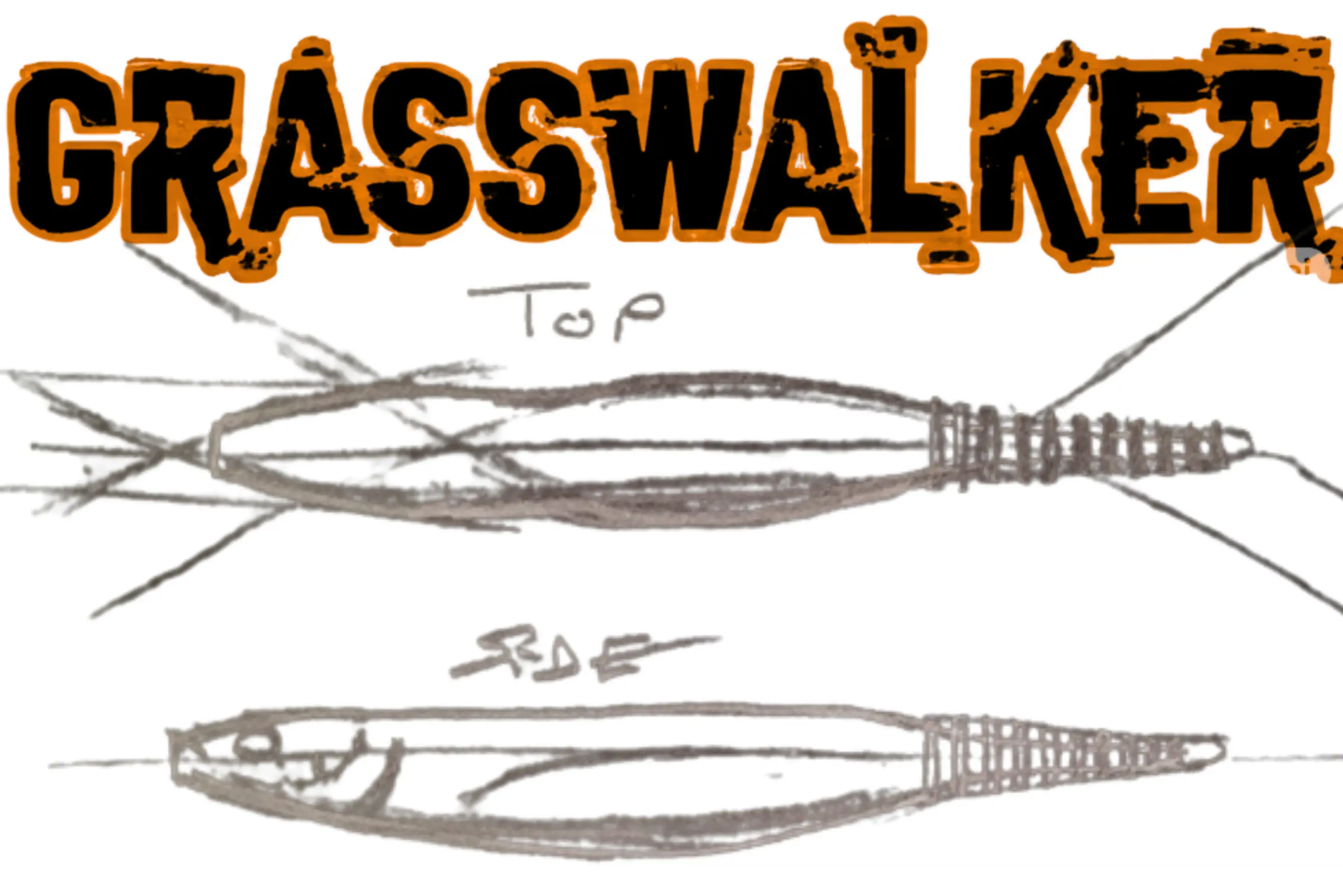
Our Very Own GrassWalker - Yes, shameless plug here but I designed it to have a mullet profile for a reason. These are for high amounts of floating grass, rocks, or shallow oysters. All areas big trout love to inhabit.
Another standout is the Heddon One Knocker, a refined evolution of the classic Zara Spook. With a large internal rattle (appropriately named 'one knocker'), raised red gill plates, and 3D holographic eyes, it delivers the sound and profile big trout respond to — while remaining easy enough to throw and walk the dog all day.
Heddon now offers the One Knocker in nearly every Super Spook saltwater and freshwater color, making it a versatile, proven option. Extensive field testing has shown it consistently produces quality fish, and I'll remind you. Don't over think the color aspect, I've literally caught big trout on various colors of top waters all during one day. When in doubt, throw a bone or bone flash and get to work. Presentation is more important.
Always have a topwater in the box (unless it's a day with low 50 degree or lower water temps, and then it's going to be tails, GrasWalker, and corkies. I do use lipped jerkbaits on occasion but that bait can be very conditional and specific to certain areas and presentations.
A new type of lure to the game are the jointed Glide Baits. I've been very impressed with how larger trout are reacting to these baits. I use the 5" from Gulf Coast Custom Lures. Some will look at this and say it's just something that catches fisherman, is hype, or a gimmick, but I can tell you straight up (and I choose to not be sponsored by any lure companies to remain impartial) that I've caught multiple big trout on these baits in short order when nothing else triggered them to bite. We have to keep in mind that even when corkies came out, people said things like 'Just use a shrimp tout'. These are new, and there are several creators of these lures. Find one and try it when you think the fish are not biting. I actually will not leave the boat without one in the box, and I've bought plenty of them on my own dime.
Final Thoughts: Consistently Catching Big Speckled Trout
Catching trophy speckled trout isn’t about gimmicks, trendy buzzwords, or over-complication. It’s about:
Understanding seasonal fish behavior
Knowing where big gator sea troutl LIVE
Respecting their sensitivity to intrusion
Using proven, properly sized baits for the conditions.
Listen, I'm going to leave you with this, and that is that 90% of catching a big trout is about understanding where big trout live and when to be there. The lures and presentations are just triggering the bite on conditions and situations.
That’s where true trophies come from.

Copyright 2026. Precision Fishing Resources LLC.
All Rights Reserved.


Products
Company
Support/Info
Sign up for fishing tips and updates.